
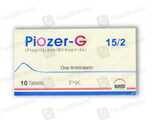
Piozer-G (15/2Mg) 10 Tablets
Piozer-G 15/2mg tablets contain pioglitazone and glimepiride for physician-directed management of type 2 diabetes in adults, alongside diet, exercise and regular blood glucose monitoring. Use only as prescribed.
Price range: ₨ 295 through ₨ 540
Overview
Piozer-G (15/2mg) is an oral antidiabetic combination tablet used for the management of type 2 diabetes mellitus in adults when a healthcare professional considers dual therapy appropriate. The strength shown in the product name indicates pioglitazone 15mg with glimepiride 2mg per tablet. This medicine is not intended for type 1 diabetes or diabetic ketoacidosis and should be used only under medical supervision.
Good diabetes control usually requires more than tablets alone. Diet planning, physical activity, weight management, foot care, eye checks and regular monitoring of blood glucose or HbA1c remain important parts of treatment. Piozer-G may help improve blood sugar control, but it can also cause low blood sugar, fluid retention and other medicine-related effects, so careful use is essential.
Benefits
- May improve glycaemic control in selected adults with type 2 diabetes
- Combines insulin-sensitising and insulin-release supporting actions
- Can help reduce elevated blood glucose when used as part of a complete diabetes care plan
- Convenient fixed-dose combination when prescribed by a doctor
Key Features
- Combination therapy for type 2 diabetes mellitus
- Contains pioglitazone 15mg and glimepiride 2mg
- Oral tablet dosage form
- Pack of 10 tablets
- Supports blood glucose control with diet and exercise
- Prescription-only medicine
Dosage and How to Use
- How to use: Swallow the tablet with water at the time advised by your doctor. Do not crush, split or chew unless your pharmacist confirms it is suitable. Maintain the prescribed diet and monitoring plan.
- Administration: Oral administration only.
- Recommended dose: Use exactly as prescribed by the doctor. Dose selection depends on blood glucose control, current therapy, meal pattern, age, organ function and risk of hypoglycaemia.
- Adult dose: Individualised by the prescriber based on diabetes control and tolerability.
- Pediatric use: Use in children is not recommended unless specifically prescribed by a specialist.
- Elderly use: Elderly patients may be more sensitive to low blood sugar and fluid retention; use only with medical supervision and monitoring.
- When to take: Take at the time directed by your prescriber, commonly with or near a meal to reduce the risk of low blood sugar.
- With food: Usually taken with or near food when advised, because glimepiride may cause low blood sugar if meals are missed.
- Maximum daily dose: Do not exceed the dose prescribed by your doctor.
- Missed dose: If a dose is missed, follow your doctor's instructions. Do not double the next dose to make up for a missed dose, as this may increase hypoglycaemia risk.
- Overdose: Overdose may cause severe hypoglycaemia and other serious effects. Seek urgent medical attention or contact emergency services immediately.
Specifications
| Brand | Piozer-G |
|---|---|
| Drug class | Pioglitazone: thiazolidinedione; Glimepiride: sulfonylurea. |
| Therapeutic category | Oral antidiabetic; type 2 diabetes therapy. |
| Age group | Adults. |
| Suitable for | Adults with type 2 diabetes who have been prescribed this specific combination by a qualified healthcare professional. |
| Prescription required | Yes. This is a prescription medicine and should be used only under medical supervision. |
Side Effects
Common side effects
- Low blood sugar
- Headache
- Dizziness
- Nausea
- Weight gain
- Swelling of ankles or feet
- Upper respiratory symptoms
- Visual disturbance
- Weakness
Serious side effects (seek medical help)
- Severe or persistent hypoglycaemia
- Breathing difficulty or symptoms of heart failure
- Rapid weight gain or marked swelling
- Yellowing of skin or eyes
- Dark urine or severe abdominal pain
- Severe allergic reaction
- Chest pain
- Fainting or severe confusion
Allergic reaction
Seek urgent medical help for rash, swelling of the face or throat, severe dizziness, breathing difficulty or other signs of serious allergic reaction.
Safety and Precautions
- May cause hypoglycaemia, especially with missed meals, alcohol, excessive exercise or other antidiabetic medicines
- Pioglitazone may cause fluid retention and may worsen heart failure in susceptible patients
- Not for type 1 diabetes or diabetic ketoacidosis
- Regular blood glucose monitoring and medical follow-up are important
- Inform your doctor about liver, kidney, heart, eye or bladder problems
- Tell your doctor about all medicines, supplements and herbal products you use
- Avoid alcohol unless your doctor confirms it is safe
- Carry a source of fast-acting sugar if advised for hypoglycaemia management
- Attend recommended blood tests and diabetes reviews
When not to use
Do not use if allergic to pioglitazone, glimepiride, sulfonylureas, thiazolidinediones or any tablet ingredient. It should not be used for type 1 diabetes or diabetic ketoacidosis. Patients with severe heart failure or active serious liver disease should use only if a doctor determines it is safe; in many cases it may be unsuitable.
Special populations
- Pregnancy: Use during pregnancy only if clearly prescribed by a doctor. Diabetes treatment often needs adjustment during pregnancy, so medical supervision is essential.
- Breastfeeding: Consult a doctor before use while breastfeeding. The prescriber will assess potential risks and suitable alternatives.
- Fertility: Discuss with a doctor if planning pregnancy or experiencing menstrual changes, as diabetes and some antidiabetic medicines may affect reproductive planning.
- Liver: Tell your doctor about any liver disease. Liver function monitoring may be required, and the medicine may be unsuitable in active or severe liver problems.
- Kidney: Inform your doctor about kidney disease. Dose selection and hypoglycaemia risk require medical assessment, especially in older adults or patients with reduced kidney function.
- Heart: Pioglitazone may cause fluid retention and may worsen heart failure. Report swelling, shortness of breath, rapid weight gain or unusual fatigue promptly.
- Driving: Do not drive or operate machinery if you feel dizzy, sleepy, confused, visually impaired or have symptoms of low blood sugar.
- Alcohol: Alcohol can affect blood sugar control and increase the risk of hypoglycaemia. Avoid or limit alcohol as advised by your doctor.
Interactions
Drugs:
- Insulin and other diabetes medicines may increase hypoglycaemia risk
- Beta-blockers may mask symptoms of low blood sugar
- Corticosteroids and some diuretics may raise blood glucose
- Some antibiotics, antifungals, NSAIDs, anticoagulants and oral contraceptives may affect safety or glucose control
Food:
- Skipping meals or eating irregularly can increase the risk of low blood sugar. Follow the diet plan recommended by your healthcare professional.
Conditions:
- Heart failure or significant heart disease
- Liver disease
- Kidney disease
- Diabetic ketoacidosis
- Type 1 diabetes
- History of severe hypoglycaemia
- Diabetic eye disease or macular oedema
- Bladder disease or unexplained blood in urine
Storage and Disposal
- Store in a cool, dry place away from direct sunlight, heat and moisture. Keep tablets in the original packaging until use.
- Store at room temperature unless the product packaging states otherwise.
- Keep out of reach and sight of children and pets.
- Do not throw medicine into wastewater or household waste where avoidable. Ask a pharmacist how to dispose of unused or expired tablets safely.
Disclaimer
This information is for educational and product listing purposes only and does not replace medical advice. Use only as prescribed by a qualified healthcare professional. Consult a doctor or pharmacist before use, especially in pregnancy, breastfeeding, elderly patients, liver, kidney or heart disease, or when taking other medicines.
| Strength | (15/2Mg) 10 Tablets, (30/2Mg) 14 Tablets, (30/4Mg) 14 Tablets |
|---|---|
| Introduction Of Product | Piozer-G (15/2mg) is a prescription oral antidiabetic combination tablet containing pioglitazone 15mg and glimepiride 2mg for the management of type 2 diabetes mellitus in adults when prescribed by a healthcare professional. |
| Source | Health Wire |
| Key Features | Combination therapy for type 2 diabetes mellitus, Contains pioglitazone 15mg and glimepiride 2mg, Oral tablet dosage form, Pack of 10 tablets, Supports blood glucose control with diet and exercise, Prescription-only medicine |
| Key Benefits | May improve glycaemic control in selected adults with type 2 diabetes, Combines insulin-sensitising and insulin-release supporting actions, Can help reduce elevated blood glucose when used as part of a complete diabetes care plan, Convenient fixed-dose combination when prescribed by a doctor |
| Primary Uses | Type 2 diabetes mellitus management, Adjunct to diet and exercise for blood sugar control |
| Drug Class | Pioglitazone: thiazolidinedione; Glimepiride: sulfonylurea. |
| Indications | Management of type 2 diabetes mellitus in adults when a clinician determines that pioglitazone and glimepiride combination therapy is appropriate. |
| Used For | Improving blood glucose control in adults with type 2 diabetes as part of a plan that includes diet, exercise and monitoring. |
| Suitable For | Adults with type 2 diabetes who have been prescribed this specific combination by a qualified healthcare professional. |
| Who Itu2019s For | Patients requiring physician-directed oral antidiabetic therapy with pioglitazone and glimepiride. |
| How It Works | Pioglitazone improves the body's sensitivity to insulin and helps reduce insulin resistance. Glimepiride stimulates pancreatic beta cells to release insulin, helping lower blood glucose. Together, they support blood sugar control through complementary mechanisms. |
| Therapeutic Category | Oral antidiabetic; type 2 diabetes therapy. |
| Prescription Required | Yes. This is a prescription medicine and should be used only under medical supervision. |
| Recommended Dose | Use exactly as prescribed by the doctor. Dose selection depends on blood glucose control, current therapy, meal pattern, age, organ function and risk of hypoglycaemia. |
| How to Use | Swallow the tablet with water at the time advised by your doctor. Do not crush, split or chew unless your pharmacist confirms it is suitable. Maintain the prescribed diet and monitoring plan. |
| When to Take | Take at the time directed by your prescriber, commonly with or near a meal to reduce the risk of low blood sugar. |
| Maximum Daily Dose | Do not exceed the dose prescribed by your doctor. |
| Age Group | Adults. |
| Pediatric Use | Use in children is not recommended unless specifically prescribed by a specialist. |
| Adult Dose | Individualised by the prescriber based on diabetes control and tolerability. |
| Elderly Use | Elderly patients may be more sensitive to low blood sugar and fluid retention; use only with medical supervision and monitoring. |
| Missed Dose | If a dose is missed, follow your doctor's instructions. Do not double the next dose to make up for a missed dose, as this may increase hypoglycaemia risk. |
| Overdose Instructions | Overdose may cause severe hypoglycaemia and other serious effects. Seek urgent medical attention or contact emergency services immediately. |
| Before or After Food | Usually taken with or near food when advised, because glimepiride may cause low blood sugar if meals are missed. |
| Administration Instructions | Oral administration only. |
| Warnings | May cause hypoglycaemia, especially with missed meals, alcohol, excessive exercise or other antidiabetic medicines, Pioglitazone may cause fluid retention and may worsen heart failure in susceptible patients, Not for type 1 diabetes or diabetic ketoacidosis, Regular blood glucose monitoring and medical follow-up are important |
| Precautions | Inform your doctor about liver, kidney, heart, eye or bladder problems, Tell your doctor about all medicines, supplements and herbal products you use, Avoid alcohol unless your doctor confirms it is safe, Carry a source of fast-acting sugar if advised for hypoglycaemia management, Attend recommended blood tests and diabetes reviews |
| Contraindications | Do not use if allergic to pioglitazone, glimepiride, sulfonylureas, thiazolidinediones or any tablet ingredient. It should not be used for type 1 diabetes or diabetic ketoacidosis. Patients with severe heart failure or active serious liver disease should use only if a doctor determines it is safe; in many cases it may be unsuitable. |
| When Not to Use | Do not use without a prescription, in suspected diabetic ketoacidosis, type 1 diabetes, known allergy to the ingredients, or when advised against by a healthcare professional due to heart, liver or other serious medical conditions. |
| Allergy Warning | Seek urgent medical help for rash, swelling of the face or throat, severe dizziness, breathing difficulty or other signs of serious allergic reaction. |
| Common Side Effects | Low blood sugar, Headache, Dizziness, Nausea, Weight gain, Swelling of ankles or feet, Upper respiratory symptoms, Visual disturbance, Weakness |
| Serious Side Effects | Severe or persistent hypoglycaemia, Breathing difficulty or symptoms of heart failure, Rapid weight gain or marked swelling, Yellowing of skin or eyes, Dark urine or severe abdominal pain, Severe allergic reaction, Chest pain, Fainting or severe confusion |
| Pregnancy Warning | Use during pregnancy only if clearly prescribed by a doctor. Diabetes treatment often needs adjustment during pregnancy, so medical supervision is essential. |
| Breastfeeding Warning | Consult a doctor before use while breastfeeding. The prescriber will assess potential risks and suitable alternatives. |
| Fertility Warning | Discuss with a doctor if planning pregnancy or experiencing menstrual changes, as diabetes and some antidiabetic medicines may affect reproductive planning. |
| Liver Warning | Tell your doctor about any liver disease. Liver function monitoring may be required, and the medicine may be unsuitable in active or severe liver problems. |
| Kidney Warning | Inform your doctor about kidney disease. Dose selection and hypoglycaemia risk require medical assessment, especially in older adults or patients with reduced kidney function. |
| Heart Warning | Pioglitazone may cause fluid retention and may worsen heart failure. Report swelling, shortness of breath, rapid weight gain or unusual fatigue promptly. |
| Driving or Machine Use Warning | Do not drive or operate machinery if you feel dizzy, sleepy, confused, visually impaired or have symptoms of low blood sugar. |
| Alcohol Warning | Alcohol can affect blood sugar control and increase the risk of hypoglycaemia. Avoid or limit alcohol as advised by your doctor. |
| Drug Interactions | Insulin and other diabetes medicines may increase hypoglycaemia risk, Beta-blockers may mask symptoms of low blood sugar, Corticosteroids and some diuretics may raise blood glucose, Some antibiotics, antifungals, NSAIDs, anticoagulants and oral contraceptives may affect safety or glucose control |
| Food Interactions | Skipping meals or eating irregularly can increase the risk of low blood sugar. Follow the diet plan recommended by your healthcare professional. |
| Disease Interactions | Heart failure or significant heart disease, Liver disease, Kidney disease, Diabetic ketoacidosis, Type 1 diabetes, History of severe hypoglycaemia, Diabetic eye disease or macular oedema, Bladder disease or unexplained blood in urine |
| Storage Instructions | Store in a cool, dry place away from direct sunlight, heat and moisture. Keep tablets in the original packaging until use. |
| Disposal Instructions | Do not throw medicine into wastewater or household waste where avoidable. Ask a pharmacist how to dispose of unused or expired tablets safely. |
| Keep Away From Children | Keep out of reach and sight of children and pets. |
| Temperature Requirement | Store at room temperature unless the product packaging states otherwise. |
| Disclaimer | This information is for educational and product listing purposes only and does not replace medical advice. Use only as prescribed by a qualified healthcare professional. Consult a doctor or pharmacist before use, especially in pregnancy, breastfeeding, elderly patients, liver, kidney or heart disease, or when taking other medicines. |
All In One Medicine policy reference: Shipping Policy | Return Policy | Refund Policy
This product may be fulfilled through the source shown below. Source fees, delivery coverage, payment limits, return windows, and refund routes can be stricter than ordinary ecommerce because medicines, prescriptions, cold-chain items, baby products, hygiene goods, and opened products have safety limits.
Shipping & Delivery - Health Wire
Delivery, return, and refund handling
- Healthwire routes medicine orders to the dispensing partner pharmacy that accepts the order.
- Services are restricted to selected territories within Pakistan.
- Prescription medicine ordering is restricted to customers aged 18 or older.
- Delivery time, courier choice, delivery fee, and serviceability are set by the dispensing partner pharmacy and confirmed at order time.
- Healthwire does not publish one unified shipping or return policy for all pharmacy orders.
- The return and refund terms for a medicine order are the actual dispensing partner pharmacy terms.
- Standard pharmacy restrictions still apply to opened, used, prescription, hygiene-sensitive, and temperature-sensitive products.
Related products
-
From: DVAGO
Tobradex Eye Drops 0.1/0.3% 5Ml
Original price was: ₨ 875.₨ 831Current price is: ₨ 831.Add to cart -
From: DVAGO
Ryvaq 112Ml Oral Suspension 10Mg/Ml
Original price was: ₨ 800.₨ 760Current price is: ₨ 760.Add to cart -
From: DVAGO
Paedicare Bubblegum Liquid 500Ml
Original price was: ₨ 200.₨ 190Current price is: ₨ 190.Add to cart -
From: DVAGO
Humalog Mix 25 Kwikpen Injection 100U/Ml (1 Box = 5 Injection)
Original price was: ₨ 2,117.₨ 2,011Current price is: ₨ 2,011.Add to cart -
From: DVAGO
Xeticam Oral Solution 100Mg 60Ml
Original price was: ₨ 700.₨ 665Current price is: ₨ 665.Add to cart



Reviews
There are no reviews yet.