

Polyfax (6G) Eye Ointment
Polyfax Eye Ointment 6g is an ophthalmic antibacterial ointment containing polymyxin B sulphate and bacitracin zinc for bacterial infections of the eye and surrounding tissues, such as conjunctivitis, keratitis and ulcerative blepharitis, when prescribed or directed by a healthcare professional.
Original price was: ₨ 114.₨ 103Current price is: ₨ 103.
Overview
Polyfax (6G) Eye Ointment is an ophthalmic antibacterial ointment supplied in a 6 g tube for use in and around the eye when bacterial infection is suspected or confirmed by a healthcare professional. The product name identifies it as Polyfax, and the active antibacterial combination is polymyxin B sulphate with bacitracin zinc in a petrolatum ointment base. Because it is applied directly to the eye area, it should be used carefully, hygienically and only for the condition and duration advised by a doctor or pharmacist.
This product is not intended for viral, fungal or allergic eye problems unless a clinician has specifically assessed the eye and recommended it. Eye pain, changes in vision, injury, chemical exposure, severe redness or symptoms that worsen despite treatment need urgent medical attention.
Benefits
- Targets susceptible bacteria at the affected eye surface or eyelid area
- Ointment base helps keep medicine in contact with the treated area
- May be used as part of prescribed care for conjunctivitis, keratitis, corneal ulceration or ulcerative blepharitis
Key Features
- Ophthalmic antibiotic ointment for topical eye-area use
- Contains polymyxin B sulphate 10,000 IU/g and bacitracin zinc 500 IU/g
- 6 g tube format
- Petrolatum ointment base
- For bacterial eye and eyelid infections when medically appropriate
Dosage and How to Use
- How to use: Wash hands before and after application. | Tilt the head back and gently pull down the lower eyelid to form a pocket. | Apply a thin strip of ointment without touching the tube tip to the eye, eyelid or lashes. | Close the eye gently for about 30 seconds after application. | Replace the cap securely and complete the full course advised by the healthcare professional.
- Administration: Topical ophthalmic administration to the affected eye area or inside the lower eyelid.
- Recommended dose: Apply a thin film of ointment, commonly about 1 cm, to the affected part or inside the lower eyelid as directed by the prescriber or product leaflet.
- Adult dose: Adults should use a thin film of ointment as directed by the prescriber or product leaflet.
- Pediatric use: Use in children only under medical advice and exactly as directed.
- When to take: Use at the times and frequency advised by the doctor, pharmacist or product leaflet.
- With food: Not applicable; this product is applied to the eye area and is not taken with food.
- Missed dose: Apply the missed dose when remembered unless it is nearly time for the next scheduled application. Do not apply extra ointment to make up for a missed dose unless instructed by a healthcare professional.
- Overdose: If excessive ointment is applied, swallowed, or causes significant irritation, contact a doctor, pharmacist or emergency service. Large absorbed amounts may increase the risk of nerve or kidney toxicity.
Specifications
| Brand | Polyfax |
|---|---|
| Manufacturer | GlaxoSmithKline Pakistan Ltd. (GSK) |
| Drug class | Topical ophthalmic antibacterial; polymyxin antibiotic plus bacitracin antibiotic. |
| Therapeutic category | Ophthalmic antibacterial medicine. |
| Age group | Adults and children under healthcare-professional direction. |
| Suitable for | Adults and children when prescribed or directed by a qualified healthcare professional. |
Side Effects
Common side effects
- Temporary blurred vision after application and local eye discomfort or irritation may occur.
Serious side effects (seek medical help)
- Serious allergic reaction may include wheezing, breathing difficulty, facial or eyelid swelling, widespread rash or severe itching. Long-term use may allow non-susceptible organisms such as fungi to overgrow.
Allergic reaction
Stop use and seek urgent medical help for rash, severe itching, wheezing, breathing difficulty, or swelling of the eyelids, face, lips, throat or tongue.
Safety and Precautions
- Do not use for undiagnosed eye symptoms without professional advice.
- Seek urgent care for eye pain, vision changes, injury, severe redness or worsening symptoms.
- Do not share the tube with another person.
- Avoid contaminating the tube tip.
- Tell a healthcare professional if pregnant or breastfeeding.
- Tell a healthcare professional about kidney disease or use of large amounts of topical antibiotics.
- Inform the doctor about other medicines, including medicines used during surgery.
- Avoid contact lenses during an active eye infection unless an eye specialist advises otherwise.
When not to use
Do not use if allergic to the active ingredients, similar antibiotics or the ointment base. Do not self-treat eye injury, severe eye pain, visual disturbance or suspected non-bacterial eye disease.
Special populations
- Pregnancy: If pregnant or planning pregnancy, use only after medical advice.
- Breastfeeding: If breastfeeding, use only after medical advice.
- Kidney: Tell a doctor if you have kidney disease or if large amounts are being used; significant absorbed amounts may harm the kidneys.
- Driving: There are no known direct effects on driving or machine use, but ophthalmic ointment can blur vision temporarily; wait until vision is clear.
Interactions
Drugs:
- Tell a doctor or pharmacist about all medicines. Neuromuscular blocking drugs used during surgery may have greater respiratory-depressing effects if large amounts of the ointment are absorbed.
Conditions:
- Kidney disease may be relevant if large amounts are used or absorbed. Urgent eye conditions such as severe pain, injury, corneal ulcer symptoms or vision changes require medical assessment.
Storage and Disposal
- Store below 25°C, away from direct heat, and keep the cap tightly closed.
- Store below 25°C.
- Keep out of the reach and sight of children.
- Do not use after the expiry date. Do not flush medicines into wastewater; ask a pharmacist how to dispose of expired or unwanted medicine safely.
Disclaimer
This information is for educational and e-commerce content purposes only and is not a substitute for professional medical advice, diagnosis or treatment. Use Polyfax Eye Ointment only as directed by a qualified healthcare professional or the product leaflet.
| Introduction Of Product | Polyfax (6G) Eye Ointment is an ophthalmic antibacterial ointment containing polymyxin B sulphate and bacitracin zinc in a petrolatum base for clinician-directed treatment of susceptible bacterial infections of the eye and adjoining tissues. |
|---|---|
| Key Features | Ophthalmic antibiotic ointment for topical eye-area use, Contains polymyxin B sulphate 10,000 IU/g and bacitracin zinc 500 IU/g, 6 g tube format, Petrolatum ointment base, For bacterial eye and eyelid infections when medically appropriate |
| Key Benefits | Targets susceptible bacteria at the affected eye surface or eyelid area, Ointment base helps keep medicine in contact with the treated area, May be used as part of prescribed care for conjunctivitis, keratitis, corneal ulceration or ulcerative blepharitis |
| Primary Uses | Bacterial conjunctivitis, Keratitis, Corneal ulceration, Ulcerative blepharitis, Prevention of infection around certain eye procedures when directed by a clinician |
| Drug Class | Topical ophthalmic antibacterial; polymyxin antibiotic plus bacitracin antibiotic. |
| Indications | Bacterial infections of the eye and adjoining parts such as the conjunctiva and eyelids, including conjunctivitis, keratitis, corneal ulceration and ulcerative blepharitis, when prescribed or directed by a healthcare professional. |
| Used For | Clinician-directed treatment of susceptible bacterial infections affecting the eye surface, conjunctiva, eyelids or cornea. |
| Suitable For | Adults and children when prescribed or directed by a qualified healthcare professional. |
| Who Itu2019s For | People with a suspected or confirmed bacterial eye or eyelid infection who have been advised to use this ophthalmic antibiotic ointment. |
| How It Works | Polymyxin B sulphate and bacitracin zinc are antibacterials. Polymyxin B disrupts susceptible bacterial cell membranes, while bacitracin interferes with bacterial cell-wall formation, helping reduce susceptible bacteria at the treated site. |
| Therapeutic Category | Ophthalmic antibacterial medicine. |
| Manufacturer | GlaxoSmithKline Pakistan Ltd. (GSK) |
| Recommended Dose | Apply a thin film of ointment, commonly about 1 cm, to the affected part or inside the lower eyelid as directed by the prescriber or product leaflet. |
| How to Use | Wash hands before and after application., Tilt the head back and gently pull down the lower eyelid to form a pocket., Apply a thin strip of ointment without touching the tube tip to the eye, eyelid or lashes., Close the eye gently for about 30 seconds after application., Replace the cap securely and complete the full course advised by the healthcare professional. |
| When to Take | Use at the times and frequency advised by the doctor, pharmacist or product leaflet. |
| Age Group | Adults and children under healthcare-professional direction. |
| Pediatric Use | Use in children only under medical advice and exactly as directed. |
| Adult Dose | Adults should use a thin film of ointment as directed by the prescriber or product leaflet. |
| Missed Dose | Apply the missed dose when remembered unless it is nearly time for the next scheduled application. Do not apply extra ointment to make up for a missed dose unless instructed by a healthcare professional. |
| Overdose Instructions | If excessive ointment is applied, swallowed, or causes significant irritation, contact a doctor, pharmacist or emergency service. Large absorbed amounts may increase the risk of nerve or kidney toxicity. |
| Before or After Food | Not applicable; this product is applied to the eye area and is not taken with food. |
| Administration Instructions | Topical ophthalmic administration to the affected eye area or inside the lower eyelid. |
| Warnings | Do not use for undiagnosed eye symptoms without professional advice., Seek urgent care for eye pain, vision changes, injury, severe redness or worsening symptoms., Do not share the tube with another person., Avoid contaminating the tube tip. |
| Precautions | Tell a healthcare professional if pregnant or breastfeeding., Tell a healthcare professional about kidney disease or use of large amounts of topical antibiotics., Inform the doctor about other medicines, including medicines used during surgery., Avoid contact lenses during an active eye infection unless an eye specialist advises otherwise. |
| Contraindications | Known hypersensitivity to polymyxin B sulphate, bacitracin zinc, similar antibiotics or any ingredient in the ointment. |
| When Not to Use | Do not use if allergic to the active ingredients, similar antibiotics or the ointment base. Do not self-treat eye injury, severe eye pain, visual disturbance or suspected non-bacterial eye disease. |
| Allergy Warning | Stop use and seek urgent medical help for rash, severe itching, wheezing, breathing difficulty, or swelling of the eyelids, face, lips, throat or tongue. |
| Common Side Effects | Temporary blurred vision after application and local eye discomfort or irritation may occur. |
| Serious Side Effects | Serious allergic reaction may include wheezing, breathing difficulty, facial or eyelid swelling, widespread rash or severe itching. Long-term use may allow non-susceptible organisms such as fungi to overgrow. |
| Pregnancy Warning | If pregnant or planning pregnancy, use only after medical advice. |
| Breastfeeding Warning | If breastfeeding, use only after medical advice. |
| Kidney Warning | Tell a doctor if you have kidney disease or if large amounts are being used; significant absorbed amounts may harm the kidneys. |
| Driving or Machine Use Warning | There are no known direct effects on driving or machine use, but ophthalmic ointment can blur vision temporarily; wait until vision is clear. |
| Drug Interactions | Tell a doctor or pharmacist about all medicines. Neuromuscular blocking drugs used during surgery may have greater respiratory-depressing effects if large amounts of the ointment are absorbed. |
| Disease Interactions | Kidney disease may be relevant if large amounts are used or absorbed. Urgent eye conditions such as severe pain, injury, corneal ulcer symptoms or vision changes require medical assessment. |
| Storage Instructions | Store below 25°C, away from direct heat, and keep the cap tightly closed. |
| Disposal Instructions | Do not use after the expiry date. Do not flush medicines into wastewater; ask a pharmacist how to dispose of expired or unwanted medicine safely. |
| Keep Away From Children | Keep out of the reach and sight of children. |
| Temperature Requirement | Store below 25°C. |
| Disclaimer | This information is for educational and e-commerce content purposes only and is not a substitute for professional medical advice, diagnosis or treatment. Use Polyfax Eye Ointment only as directed by a qualified healthcare professional or the product leaflet. |
All In One Medicine policy reference: Shipping Policy | Return Policy | Refund Policy
This product may be fulfilled through the source shown below. Source fees, delivery coverage, payment limits, return windows, and refund routes can be stricter than ordinary ecommerce because medicines, prescriptions, cold-chain items, baby products, hygiene goods, and opened products have safety limits.
Shipping & Delivery - Health Wire
Delivery, return, and refund handling
- Healthwire routes medicine orders to the dispensing partner pharmacy that accepts the order.
- Services are restricted to selected territories within Pakistan.
- Prescription medicine ordering is restricted to customers aged 18 or older.
- Delivery time, courier choice, delivery fee, and serviceability are set by the dispensing partner pharmacy and confirmed at order time.
- Healthwire does not publish one unified shipping or return policy for all pharmacy orders.
- The return and refund terms for a medicine order are the actual dispensing partner pharmacy terms.
- Standard pharmacy restrictions still apply to opened, used, prescription, hygiene-sensitive, and temperature-sensitive products.
Related products
-
From: DVAGO
Brandit Tablets 250Mg (1 Box = 10 Tablets)
Original price was: ₨ 575.₨ 546Current price is: ₨ 546.Add to cart -
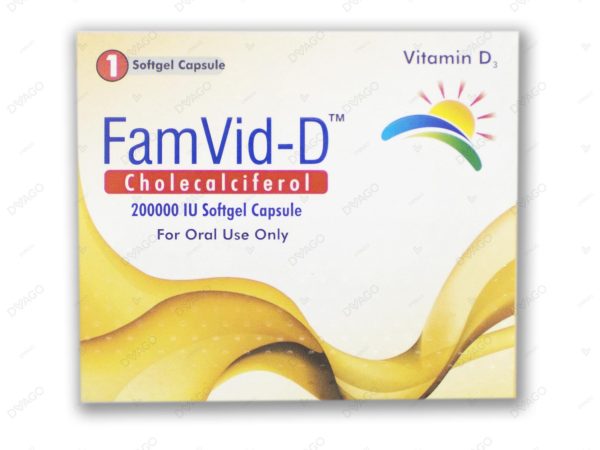
From: DVAGO
Famid-D Softgel Capsules 200,000Iu (1 Box = 1 Capsule)
Original price was: ₨ 400.₨ 380Current price is: ₨ 380.Add to cart -
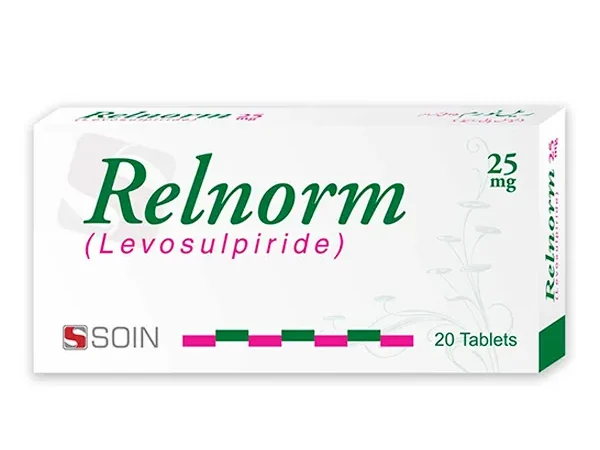
From: DVAGO
Relnorm Tablets 25Mg (1 Strip = 10 Tablets)
Original price was: ₨ 190.₨ 181Current price is: ₨ 181.Add to cart -
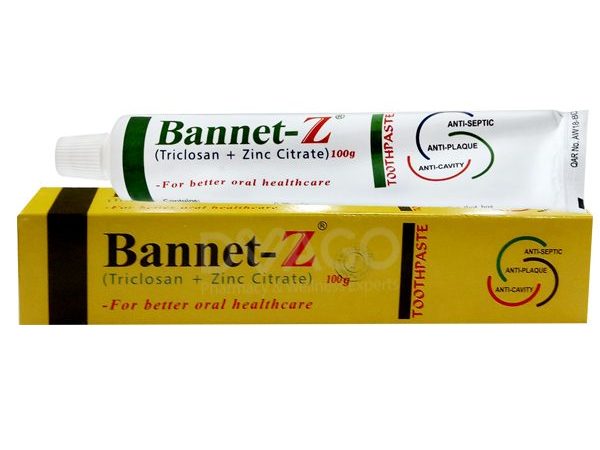
From: DVAGO
Bannet-Z Tooth Paste 100G
Original price was: ₨ 269.₨ 256Current price is: ₨ 256.Add to cart -
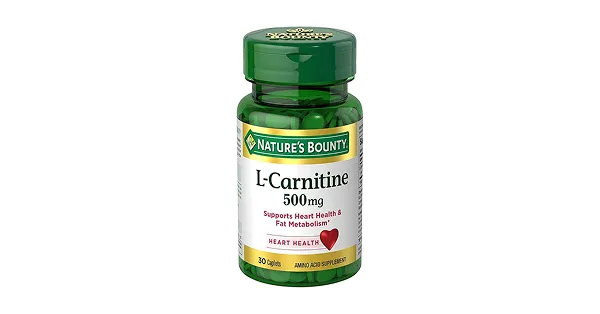
From: DVAGO
Natures Bounty L-Carnitine Caplets 500Mg (1 Bottle = 30 Softgels)
Original price was: ₨ 6,347.₨ 6,030Current price is: ₨ 6,030.Add to cart

Reviews
There are no reviews yet.