

Wondra (50/200mg) 30 Tablets
Wondra 50/200mg tablets contain diclofenac sodium 50mg with misoprostol 200mcg for pain and inflammatory conditions where NSAID-associated gastric ulcer protection is required. Use only under professional healthcare guidance.
₨ 375
Overview
Wondra (50/200mg) 30 Tablets is a combination medicine used for selected pain and inflammatory conditions where an NSAID is required together with gastric mucosal protection. The formulation is commonly understood as diclofenac sodium 50 mg with misoprostol 200 mcg per tablet. Diclofenac is a non-steroidal anti-inflammatory drug (NSAID) that helps reduce pain, swelling and stiffness.
This medicine is not intended for casual or unsupervised use. It has important safety considerations, particularly for pregnancy, gastrointestinal bleeding, heart disease, kidney disease, liver disease, older adults and people taking interacting medicines.
Benefits
- Helps reduce inflammatory pain, swelling and stiffness through diclofenac
- Misoprostol helps support stomach and duodenal mucosal protection during NSAID therapy
- May be useful for selected patients who require diclofenac with additional gastric protection
Key Features
- Contains diclofenac sodium 50 mg and misoprostol 200 mcg per tablet
- NSAID plus prostaglandin analogue combination
- Oral tablet dosage form
- 30-tablet pack
- Used for inflammatory pain and NSAID-associated ulcer risk reduction when prescribed
Dosage and How to Use
- How to use: Swallow the tablet whole with water. Do not crush, chew or split unless a pharmacist confirms it is appropriate for the supplied tablet. Follow the prescription label exactly.
- Administration: Oral administration only.
- Recommended dose: Use only at the dose and frequency prescribed by a qualified healthcare professional. Do not self-adjust the dose.
- Adult dose: Individualized by the prescriber according to condition, risk factors and response.
- Pediatric use: Not recommended for children unless specifically prescribed and supervised by a specialist.
- Elderly use: Older adults may have higher risk of gastrointestinal bleeding, kidney problems, fluid retention and cardiovascular events; use requires careful medical supervision.
- When to take: Usually taken with food or after meals to reduce stomach discomfort, unless the prescriber gives different instructions.
- With food: Preferably with or after food, unless directed otherwise.
- Maximum daily dose: Do not exceed the maximum daily dose prescribed by the doctor or stated on the dispensed prescription label.
- Missed dose: If a dose is missed, take it when remembered unless it is nearly time for the next dose. Do not take two doses together to make up for a missed dose.
- Overdose: Seek urgent medical help or contact a poison control service immediately. Overdose may cause severe stomach symptoms, bleeding, drowsiness, dizziness, breathing difficulty, kidney problems or seizures.
Specifications
| Brand | Wondra |
|---|---|
| Drug class | Non-steroidal anti-inflammatory drug (NSAID) | Prostaglandin E1 analogue |
| Therapeutic category | Anti-inflammatory analgesic with NSAID-induced ulcer prophylaxis |
| Age group | Adult use when prescribed |
| Suitable for | Adults who have been assessed by a healthcare professional and require diclofenac therapy together with gastric mucosal protection from misoprostol. |
Side Effects
Common side effects
- Abdominal pain
- Indigestion
- Nausea
- Diarrhoea
- Flatulence
- Headache
- Dizziness
- Fluid retention
- Menstrual cramps or abnormal bleeding
Serious side effects (seek medical help)
- Gastrointestinal bleeding or ulceration
- Black stools or vomiting blood
- Heart attack or stroke symptoms
- Severe allergic reaction
- Severe skin reaction
- Kidney problems
- Liver injury
- Severe persistent diarrhoea
Allergic reaction
Stop use and seek urgent help for rash, swelling of the face or throat, wheezing, severe dizziness, blistering skin reaction or breathing difficulty.
Safety and Precautions
- Do not use during pregnancy.
- May increase risk of serious gastrointestinal bleeding, ulceration or perforation.
- May increase risk of heart attack, stroke, fluid retention or raised blood pressure.
- Avoid combining with other NSAIDs unless specifically directed.
- Seek urgent care for chest pain, breathing difficulty, black stools, vomiting blood, severe abdominal pain or allergic swelling.
- Use the lowest effective dose for the shortest appropriate duration as advised by the prescriber.
- Tell the doctor about previous stomach ulcer, bleeding disorder, heart disease, hypertension, kidney disease, liver disease, asthma or inflammatory bowel disease.
- Inform the doctor about all prescription medicines, OTC medicines and supplements before use.
- Women who may become pregnant should discuss contraception and pregnancy-related precautions before use.
When not to use
Known allergy to diclofenac, misoprostol, aspirin or other NSAIDs | Pregnancy | History of NSAID-induced asthma, urticaria or serious allergic reaction | Active serious gastrointestinal bleeding unless specifically assessed by a specialist | Use around coronary artery bypass graft surgery
Special populations
- Pregnancy: Contraindicated in pregnancy. Misoprostol can cause uterine contractions, miscarriage, premature birth or birth defects, and NSAIDs may harm the fetus, especially later in pregnancy.
- Breastfeeding: Use during breastfeeding only if a healthcare professional determines it is appropriate, considering the medicine combination and infant risk.
- Fertility: NSAIDs may temporarily impair female fertility. Women trying to conceive should discuss alternatives with a doctor.
- Liver: Use cautiously in liver disease. Stop and seek medical advice for yellowing of skin or eyes, dark urine, severe fatigue or persistent nausea.
- Kidney: NSAIDs can worsen kidney function, especially in dehydration, older age, kidney disease, heart failure or with diuretics, ACE inhibitors or ARBs.
- Heart: NSAIDs may increase the risk of heart attack, stroke, high blood pressure, fluid retention and worsening heart failure, particularly with higher doses or longer use.
- Driving: May cause dizziness, drowsiness or visual disturbance in some users. Avoid driving or operating machinery if affected.
- Alcohol: Alcohol may increase the risk of stomach irritation and bleeding with NSAIDs; avoid or limit alcohol during treatment.
Interactions
Drugs:
- Other NSAIDs including aspirin used for pain relief
- Blood thinners such as warfarin or DOACs
- Antiplatelet medicines
- Corticosteroids
- SSRIs or SNRIs
- ACE inhibitors, ARBs and diuretics
- Lithium
- Methotrexate
- Cyclosporine or tacrolimus
- Digoxin
Food:
- Food may reduce stomach discomfort. Alcohol can increase gastrointestinal irritation and bleeding risk.
Conditions:
- Peptic ulcer disease or gastrointestinal bleeding
- Cardiovascular disease, hypertension or heart failure
- Kidney impairment
- Liver impairment
- Asthma sensitive to aspirin or NSAIDs
- Bleeding disorders
- Inflammatory bowel disease
Storage and Disposal
- Store in the original packaging, protected from moisture, direct heat and sunlight. Follow the storage temperature stated on the pack.
- Follow the temperature requirement printed on the product pack.
- Keep out of the reach and sight of children and pets.
- Do not use expired or damaged tablets. Return unused medicine to a pharmacy take-back service where available; do not share with others.
Disclaimer
This information is for educational product content only and is not a substitute for medical advice, diagnosis or treatment. Use only as directed by a qualified healthcare professional or the approved product label.
| Strength | (50/200mg) 30 Tablets, Standard, (75/200mg) 20 Tablets |
|---|---|
| Introduction Of Product | Wondra (50/200mg) 30 Tablets is a combination medicine containing diclofenac sodium 50 mg with misoprostol 200 mcg, used for selected pain and inflammatory conditions where NSAID-related gastric ulcer protection is clinically required. |
| Source | chemistdirect.pk |
| Key Features | Contains diclofenac sodium 50 mg and misoprostol 200 mcg per tablet, NSAID plus prostaglandin analogue combination, Oral tablet dosage form, 30-tablet pack, Used for inflammatory pain and NSAID-associated ulcer risk reduction when prescribed |
| Key Benefits | Helps reduce inflammatory pain, swelling and stiffness through diclofenac, Misoprostol helps support stomach and duodenal mucosal protection during NSAID therapy, May be useful for selected patients who require diclofenac with additional gastric protection |
| Primary Uses | Pain and inflammation associated with selected arthritis-related conditions when prescribed, Musculoskeletal inflammation where diclofenac therapy is clinically appropriate, Reduction of NSAID-induced gastric and duodenal ulcer risk in patients requiring diclofenac |
| Drug Class | Non-steroidal anti-inflammatory drug (NSAID), Prostaglandin E1 analogue |
| Indications | Relief of signs and symptoms of selected inflammatory conditions in patients requiring diclofenac therapy with misoprostol for NSAID-induced gastric and duodenal ulcer risk reduction, as determined by a healthcare professional. |
| Used For | Inflammatory pain, swelling, stiffness and NSAID-associated gastric ulcer risk reduction in patients for whom this combination is prescribed. |
| Suitable For | Adults who have been assessed by a healthcare professional and require diclofenac therapy together with gastric mucosal protection from misoprostol. |
| Who Itu2019s For | Patients with inflammatory pain or arthritis-related symptoms where a prescriber has determined that an NSAID and ulcer-protective component are appropriate. |
| How It Works | Diclofenac reduces prostaglandin production by inhibiting cyclo-oxygenase pathways involved in pain and inflammation. Misoprostol is a prostaglandin analogue that supports gastric mucus and bicarbonate protection and helps reduce NSAID-associated ulcer risk. |
| Therapeutic Category | Anti-inflammatory analgesic with NSAID-induced ulcer prophylaxis |
| Recommended Dose | Use only at the dose and frequency prescribed by a qualified healthcare professional. Do not self-adjust the dose. |
| How to Use | Swallow the tablet whole with water. Do not crush, chew or split unless a pharmacist confirms it is appropriate for the supplied tablet. Follow the prescription label exactly. |
| When to Take | Usually taken with food or after meals to reduce stomach discomfort, unless the prescriber gives different instructions. |
| Maximum Daily Dose | Do not exceed the maximum daily dose prescribed by the doctor or stated on the dispensed prescription label. |
| Age Group | Adult use when prescribed |
| Pediatric Use | Not recommended for children unless specifically prescribed and supervised by a specialist. |
| Adult Dose | Individualized by the prescriber according to condition, risk factors and response. |
| Elderly Use | Older adults may have higher risk of gastrointestinal bleeding, kidney problems, fluid retention and cardiovascular events; use requires careful medical supervision. |
| Missed Dose | If a dose is missed, take it when remembered unless it is nearly time for the next dose. Do not take two doses together to make up for a missed dose. |
| Overdose Instructions | Seek urgent medical help or contact a poison control service immediately. Overdose may cause severe stomach symptoms, bleeding, drowsiness, dizziness, breathing difficulty, kidney problems or seizures. |
| Before or After Food | Preferably with or after food, unless directed otherwise. |
| Administration Instructions | Oral administration only. |
| Warnings | Do not use during pregnancy., May increase risk of serious gastrointestinal bleeding, ulceration or perforation., May increase risk of heart attack, stroke, fluid retention or raised blood pressure., Avoid combining with other NSAIDs unless specifically directed., Seek urgent care for chest pain, breathing difficulty, black stools, vomiting blood, severe abdominal pain or allergic swelling. |
| Precautions | Use the lowest effective dose for the shortest appropriate duration as advised by the prescriber., Tell the doctor about previous stomach ulcer, bleeding disorder, heart disease, hypertension, kidney disease, liver disease, asthma or inflammatory bowel disease., Inform the doctor about all prescription medicines, OTC medicines and supplements before use., Women who may become pregnant should discuss contraception and pregnancy-related precautions before use. |
| Contraindications | Known allergy to diclofenac, misoprostol, aspirin or other NSAIDs, Pregnancy, History of NSAID-induced asthma, urticaria or serious allergic reaction, Active serious gastrointestinal bleeding unless specifically assessed by a specialist, Use around coronary artery bypass graft surgery |
| When Not to Use | Do not use if pregnant, allergic to diclofenac or misoprostol, allergic to aspirin or other NSAIDs, or if you have had NSAID-triggered asthma or serious allergic reactions. Avoid use in active serious gastrointestinal bleeding unless a specialist has assessed the risk. |
| Allergy Warning | Stop use and seek urgent help for rash, swelling of the face or throat, wheezing, severe dizziness, blistering skin reaction or breathing difficulty. |
| Common Side Effects | Abdominal pain, Indigestion, Nausea, Diarrhoea, Flatulence, Headache, Dizziness, Fluid retention, Menstrual cramps or abnormal bleeding |
| Serious Side Effects | Gastrointestinal bleeding or ulceration, Black stools or vomiting blood, Heart attack or stroke symptoms, Severe allergic reaction, Severe skin reaction, Kidney problems, Liver injury, Severe persistent diarrhoea |
| Pregnancy Warning | Contraindicated in pregnancy. Misoprostol can cause uterine contractions, miscarriage, premature birth or birth defects, and NSAIDs may harm the fetus, especially later in pregnancy. |
| Breastfeeding Warning | Use during breastfeeding only if a healthcare professional determines it is appropriate, considering the medicine combination and infant risk. |
| Fertility Warning | NSAIDs may temporarily impair female fertility. Women trying to conceive should discuss alternatives with a doctor. |
| Liver Warning | Use cautiously in liver disease. Stop and seek medical advice for yellowing of skin or eyes, dark urine, severe fatigue or persistent nausea. |
| Kidney Warning | NSAIDs can worsen kidney function, especially in dehydration, older age, kidney disease, heart failure or with diuretics, ACE inhibitors or ARBs. |
| Heart Warning | NSAIDs may increase the risk of heart attack, stroke, high blood pressure, fluid retention and worsening heart failure, particularly with higher doses or longer use. |
| Driving or Machine Use Warning | May cause dizziness, drowsiness or visual disturbance in some users. Avoid driving or operating machinery if affected. |
| Alcohol Warning | Alcohol may increase the risk of stomach irritation and bleeding with NSAIDs; avoid or limit alcohol during treatment. |
| Drug Interactions | Other NSAIDs including aspirin used for pain relief, Blood thinners such as warfarin or DOACs, Antiplatelet medicines, Corticosteroids, SSRIs or SNRIs, ACE inhibitors, ARBs and diuretics, Lithium, Methotrexate, Cyclosporine or tacrolimus, Digoxin |
| Food Interactions | Food may reduce stomach discomfort. Alcohol can increase gastrointestinal irritation and bleeding risk. |
| Disease Interactions | Peptic ulcer disease or gastrointestinal bleeding, Cardiovascular disease, hypertension or heart failure, Kidney impairment, Liver impairment, Asthma sensitive to aspirin or NSAIDs, Bleeding disorders, Inflammatory bowel disease |
| Storage Instructions | Store in the original packaging, protected from moisture, direct heat and sunlight. Follow the storage temperature stated on the pack. |
| Disposal Instructions | Do not use expired or damaged tablets. Return unused medicine to a pharmacy take-back service where available; do not share with others. |
| Keep Away From Children | Keep out of the reach and sight of children and pets. |
| Temperature Requirement | Follow the temperature requirement printed on the product pack. |
| Disclaimer | This information is for educational product content only and is not a substitute for medical advice, diagnosis or treatment. Use only as directed by a qualified healthcare professional or the approved product label. |
All In One Medicine policy reference: Shipping Policy | Return Policy | Refund Policy
This product may be fulfilled through the source shown below. Source fees, delivery coverage, payment limits, return windows, and refund routes can be stricter than ordinary ecommerce because medicines, prescriptions, cold-chain items, baby products, hygiene goods, and opened products have safety limits.
This product may be fulfilled through more than one source. The applicable delivery, payment, return, and refund rule depends on which source ships the item. Source sections shown below: Health Wire, ChemistDirect.pk.
Shipping & Delivery - Health Wire
Delivery, return, and refund handling
- Healthwire routes medicine orders to the dispensing partner pharmacy that accepts the order.
- Services are restricted to selected territories within Pakistan.
- Prescription medicine ordering is restricted to customers aged 18 or older.
- Delivery time, courier choice, delivery fee, and serviceability are set by the dispensing partner pharmacy and confirmed at order time.
- Healthwire does not publish one unified shipping or return policy for all pharmacy orders.
- The return and refund terms for a medicine order are the actual dispensing partner pharmacy terms.
- Standard pharmacy restrictions still apply to opened, used, prescription, hygiene-sensitive, and temperature-sensitive products.
Shipping & Delivery - ChemistDirect.pk
Delivery scope and timeline
- ChemistDirect.pk shipping policy states domestic standard delivery in 2 to 3 working days.
- The page states operations run Monday through Sunday.
- Published support details include WhatsApp/phone 0318-8710244 and [email protected].
Returns, refunds, and customer obligations
- Its return policy states unopened items with original packaging and receipt can be returned within 14 days.
- Damaged, faulty, or mismatched items should be reported within 24 hours of receipt.
- The policy states return resolution target is within 5 working days after return handling.
- For seller-error returns, postage can be covered by ChemistDirect; for change-of-mind returns, customer postage applies.
- For pharmacy safety, opened, used, or temperature-sensitive medicines should still be treated as restricted unless support explicitly confirms eligibility.
Related products
-
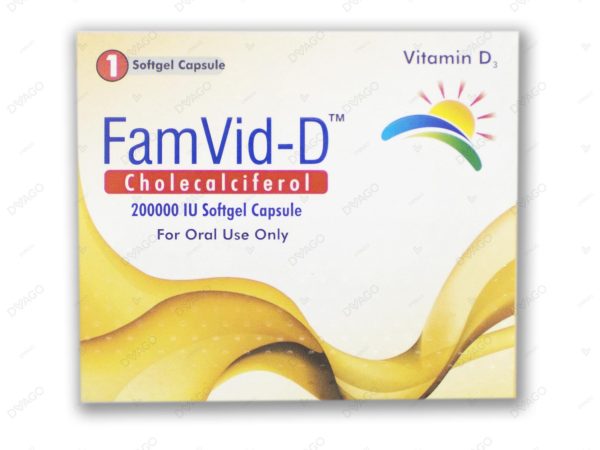
From: DVAGO
Famid-D Softgel Capsules 200,000Iu (1 Box = 1 Capsule)
Original price was: ₨ 400.₨ 380Current price is: ₨ 380.Add to cart -
From: DVAGO
Dermsave Soothing Smoothing Lotion 100Ml
Original price was: ₨ 450.₨ 428Current price is: ₨ 428.Add to cart -
From: DVAGO
Nutrifactor Leanax Capsules (1 Bottle = 60 Capsules)
Original price was: ₨ 1,801.₨ 1,711Current price is: ₨ 1,711.Add to cart -
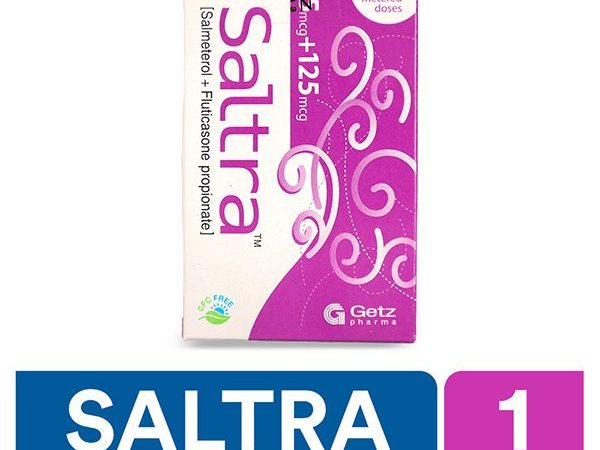
From: DVAGO
Saltra Mdi Hfa Inhaler 25Mcg/125Mcg
Original price was: ₨ 1,138.₨ 1,081Current price is: ₨ 1,081.Add to cart -
From: DVAGO
Peridots Gelatin Capsules (1 Strip = 10 Capsules)
Original price was: ₨ 230.₨ 219Current price is: ₨ 219.Add to cart



Reviews
There are no reviews yet.